
The Future of Internet Connectivity: Fiber Optic Innovations and Trends
SF
The Rise of Fiber Optics
The digital age demands faster and more reliable internet connectivity, and fiber optic technology is at the forefront of this revolution. As the world becomes increasingly connected, the need for high-speed internet has never been more critical. Fiber optics, with their ability to transmit data at the speed of light, offer unparalleled advantages over traditional copper cables.
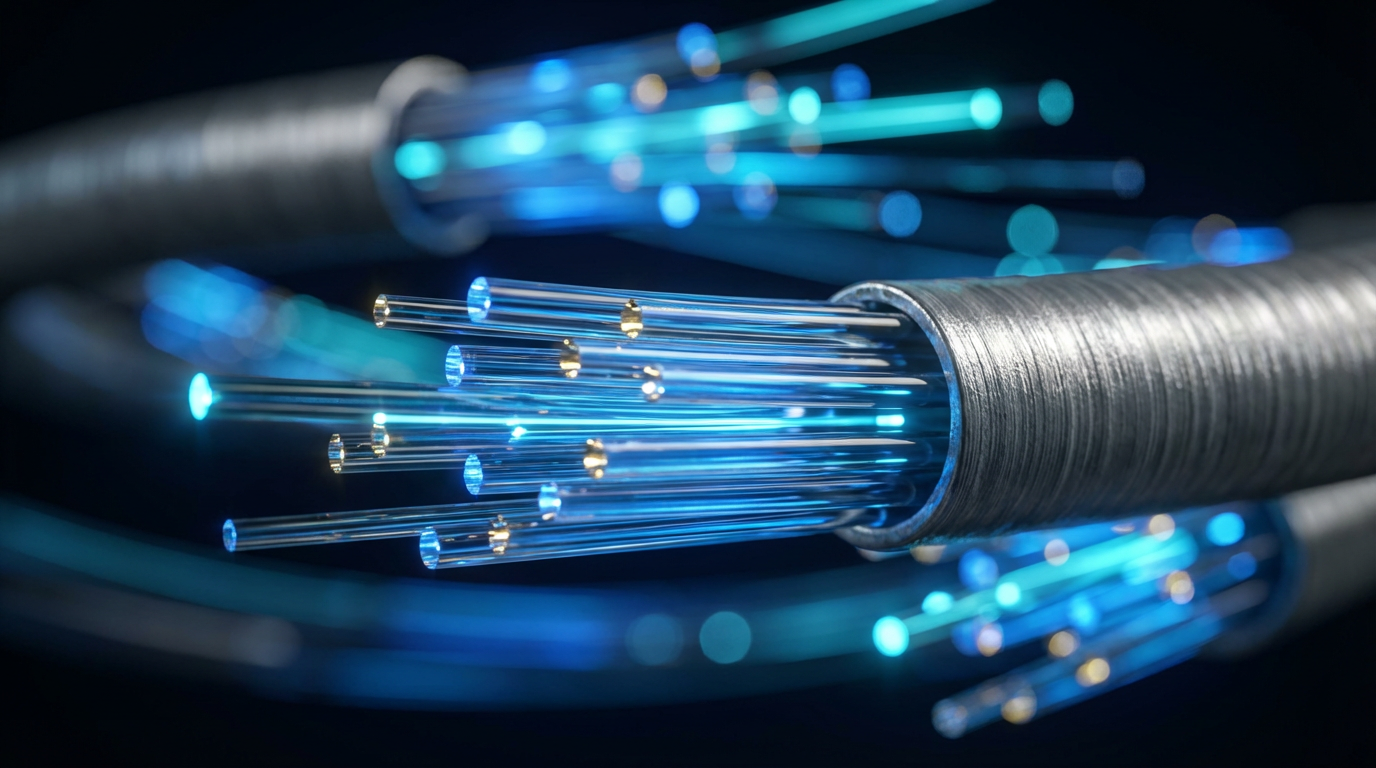
Fiber optic cables use light to transmit data, which significantly reduces latency and increases bandwidth capacity. This technology is not just limited to internet connectivity but is also being utilized in various fields such as medicine, defense, and telecommunications. The shift towards fiber optics is inevitable as the demand for high-speed internet continues to surge.
Advancements in Fiber Optic Technology
Recent innovations in fiber optic technology are pushing the boundaries of what is possible. One of the most significant advancements is in the area of fiber optic amplifiers, which enhance signal strength over long distances without the need for electronic conversion. This innovation is crucial for maintaining high-speed connections across vast geographical areas.
Another breakthrough is the development of bend-insensitive fibers. Traditional fiber optic cables are sensitive to bends, which can cause signal loss. Bend-insensitive fibers, however, maintain performance even when twisted or bent, making them ideal for complex installations in urban environments.

Trends Shaping the Future
The future of fiber optics is being shaped by several key trends. The integration of 5G technology with fiber optics is set to revolutionize mobile internet connectivity. While 5G provides the wireless component, fiber optics supply the necessary infrastructure to handle the massive data flow that 5G networks demand.
Another trend is the use of fiber optics in smart city projects. As cities grow smarter, the need for a robust and reliable communication infrastructure becomes paramount. Fiber optics provide the backbone for smart grids, traffic management systems, and public safety networks.

Challenges and Opportunities
Despite its advantages, the widespread adoption of fiber optics faces several challenges. The cost of installation and infrastructure development is a significant barrier, particularly in rural areas. However, as technology advances and costs decrease, more regions are likely to gain access to fiber optic networks.
On the flip side, the opportunities are immense. The push for sustainability and energy-efficient technologies is driving innovation in fiber optics. These cables consume less power and have a longer lifespan compared to traditional options, making them a more sustainable choice for the future.
The Global Impact
The global impact of fiber optic technology cannot be overstated. Countries around the world are investing heavily in fiber optic infrastructure to ensure they remain competitive in the digital economy. This investment is leading to increased economic growth, improved education systems, and enhanced healthcare services.
As more regions gain access to high-speed internet, the digital divide is slowly being bridged. Fiber optics are playing a crucial role in providing equal opportunities for education and employment, regardless of geographical location.

Looking Ahead
As we look to the future, the role of fiber optics in shaping internet connectivity is clear. Continued innovation and investment will drive the expansion of this technology, bringing faster, more reliable internet to millions. The evolution of fiber optics will undoubtedly play a pivotal role in the ongoing digital transformation of society.
The journey towards a fully connected world is just beginning, and fiber optic technology is leading the way. As we continue to explore new possibilities, the impact of these innovations will be felt across every sector, paving the way for a brighter, more connected future.