
Optimizing Sales Contact Strategies with Omni-Channel Communication
SF
Understanding Omni-Channel Communication
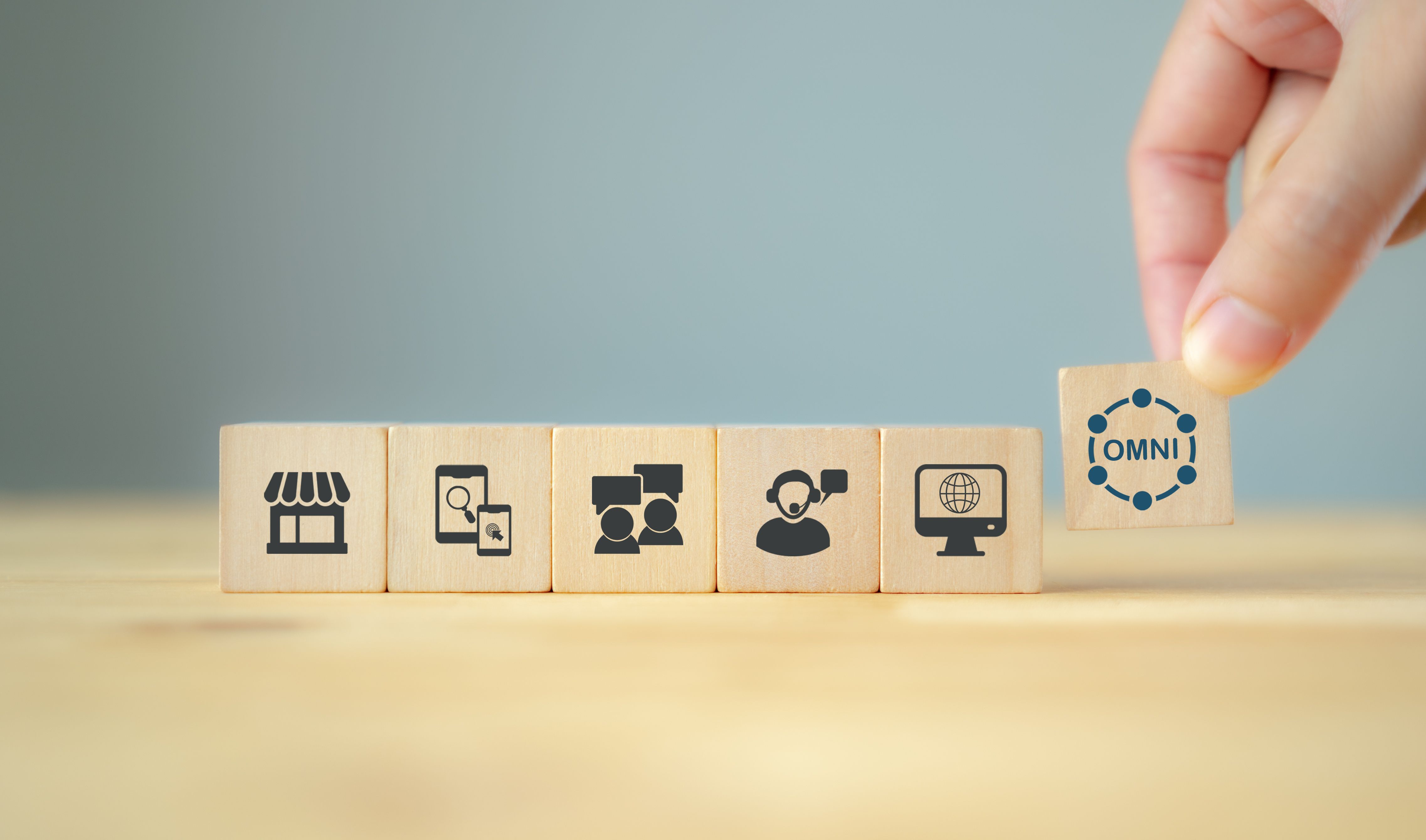
In today's fast-paced digital world, consumers expect seamless interactions across multiple platforms. Omni-channel communication is the strategic integration of various channels to enhance the customer experience and improve sales contact strategies. By leveraging this approach, businesses can provide a cohesive and personalized journey for potential clients.
Unlike multi-channel communication, which often operates in silos, omni-channel ensures that each platform works together harmoniously. This integrated approach not only boosts customer satisfaction but also maximizes sales opportunities by reaching customers where they are most comfortable.
Benefits of Omni-Channel Strategies
Implementing an omni-channel strategy offers several advantages. Firstly, it enhances customer engagement by providing consistent messaging across all platforms. Customers receive a seamless experience, whether they interact via email, social media, or in-store.
Additionally, businesses can gather valuable insights from various touchpoints. This data aids in understanding customer behavior and preferences, allowing for more targeted marketing efforts. Ultimately, this leads to improved conversion rates and customer loyalty.

Improving Customer Experience
An effective omni-channel strategy focuses on delivering exceptional customer experiences. By ensuring that all channels are interconnected, businesses can provide real-time support and personalized interactions. This approach builds trust and encourages repeat business.
- Consistent communication across platforms
- Personalized customer interactions
- Seamless transition between touchpoints
Optimizing Sales Contact Strategies
To optimize sales contact strategies using omni-channel communication, businesses should focus on three key areas: integration, personalization, and analytics. Successful integration involves aligning all channels to provide a unified customer experience.
Personalization is crucial for engaging customers. By utilizing data from various touchpoints, businesses can create tailored messaging that resonates with individual preferences. This personalized approach increases the likelihood of conversion.

Utilizing Data and Analytics
Data and analytics play a pivotal role in optimizing omni-channel strategies. By analyzing customer interactions across channels, businesses can identify trends and adjust their approaches accordingly. This data-driven strategy ensures that efforts are focused on the most effective channels.
- Identify key customer touchpoints
- Analyze interaction data
- Adjust strategies based on insights
Implementing Technology for Seamless Integration
Technology is the backbone of a successful omni-channel strategy. Businesses must invest in platforms that facilitate seamless integration across channels. Tools such as customer relationship management (CRM) systems can centralize data and streamline communication efforts.
Additionally, leveraging automation can enhance efficiency and ensure timely follow-ups. Automated workflows can manage routine tasks, allowing sales teams to focus on building relationships and closing deals.

Challenges and Considerations
While the benefits of omni-channel communication are clear, businesses may face challenges during implementation. Ensuring consistent messaging and maintaining data privacy are crucial considerations. It's essential to regularly evaluate and update strategies to stay aligned with changing consumer behaviors.
By addressing these challenges head-on and continuously refining their approach, businesses can successfully optimize sales contact strategies and thrive in a competitive marketplace.