
Five Common Myths About Fiber Optic Broadband Debunked
SF
Understanding Fiber Optic Broadband
Fiber optic broadband is often heralded as the future of internet connectivity, but misconceptions still abound. As more people consider upgrading to this high-speed option, it's crucial to separate fact from fiction. Here, we debunk five common myths about fiber optic broadband.

Myth 1: Fiber Optic is Too Expensive
A common belief is that fiber optic broadband is prohibitively expensive. While initial installation costs can be higher than traditional options, the investment often pays off in the long run. Fiber offers faster speeds and greater reliability, which can save money over time by eliminating the need for frequent upgrades or repairs.
Moreover, the cost of fiber optic technology has been steadily decreasing as it becomes more widely adopted. Many service providers offer competitive pricing plans, making it accessible to a broader range of consumers.
Myth 2: Fiber Optic is Only for Urban Areas
Another misconception is that fiber optic broadband is only available in urban centers. While it’s true that densely populated areas were the first to get fiber infrastructure, efforts to expand access to rural and suburban regions are well underway. Governments and private companies are investing heavily in extending fiber networks to underserved areas.

Myth 3: Fiber Optic is Not Necessary for Average Users
Some believe that only businesses or heavy internet users need fiber optic broadband. However, as the number of connected devices in homes increases, even average users will benefit from fiber's higher bandwidth and faster speeds. Streaming, gaming, and working from home all demand more robust connections, which fiber can provide.
Additionally, fiber optic connections are future-proof, meaning they can support new technologies and increased data demands without requiring significant upgrades.
Myth 4: Fiber Optic is Difficult to Install
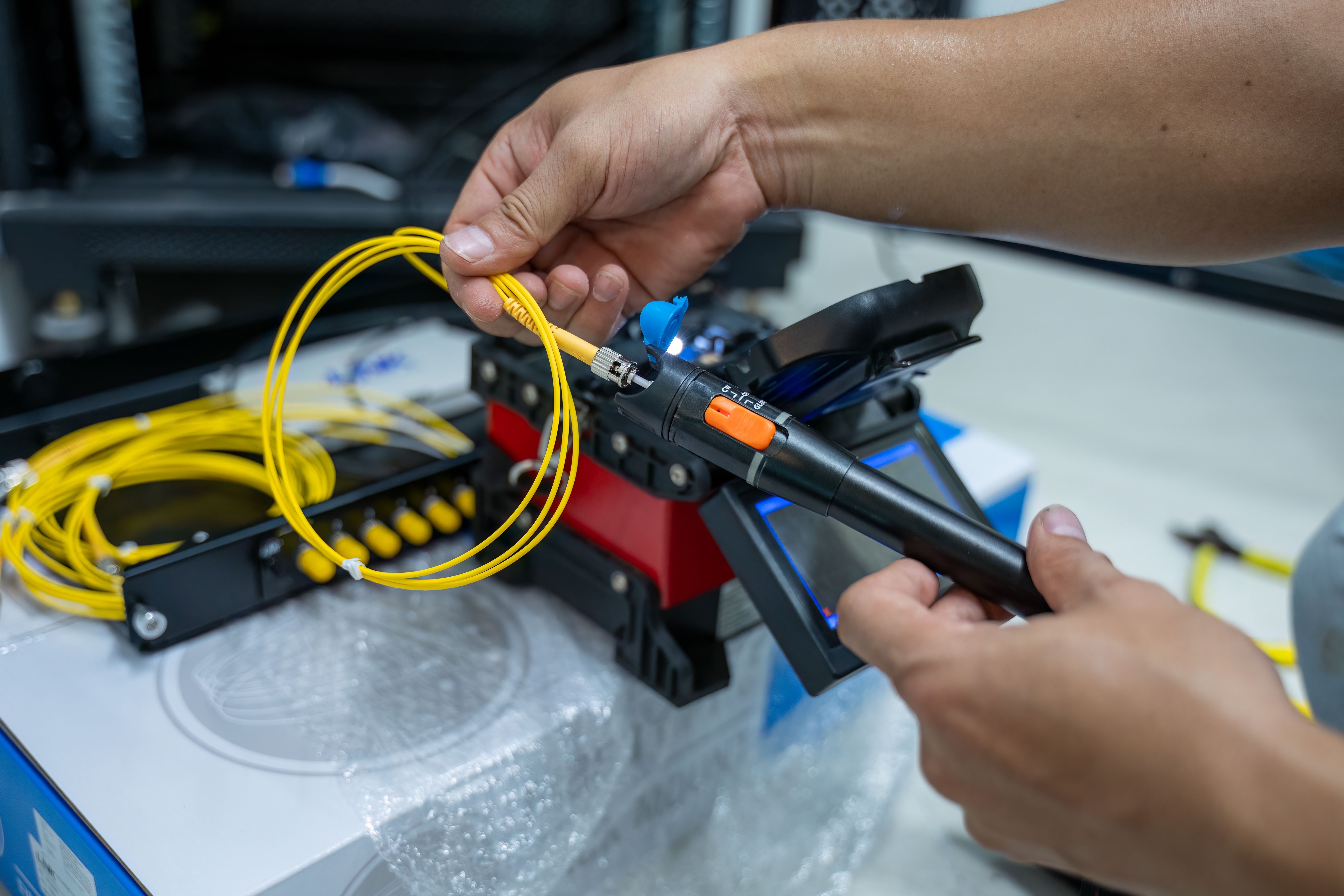
Many people assume that installing fiber optic broadband is a complicated process. In reality, professional technicians handle the installation, ensuring a smooth transition. The process may involve laying new cables, but service providers strive to minimize disruption and complete installations swiftly.
Myth 5: Fiber Optic is Not Reliable
Some skeptics claim that fiber optic technology is not reliable. On the contrary, fiber optic cables are less susceptible to environmental factors like electrical interference, weather conditions, and physical wear and tear. This makes fiber optic broadband one of the most reliable internet options available.
In conclusion, fiber optic broadband offers numerous benefits that debunk these common myths. As technology advances, it’s becoming more accessible and necessary for a wide range of users, providing a stable and efficient means to meet our growing internet needs.